
Exploring the depths of Chinese culture unveils a profound connection to the language, revealing a symbiotic relationship where each facet influences the other in intricate ways. From the historical roots embedded in ancient logograms to the nuanced impact of Confucian values, the layers of influence are vast and compelling chinese tutor. As we navigate through the evolution of Chinese language, we begin to decipher how societal norms and historical contexts have woven a complex tapestry of linguistic nuances. This intricate interplay between culture and language beckons us to unravel further the mysteries that lie within, promising a journey of discovery that transcends mere words and symbols.
Historical Roots of Chinese Language
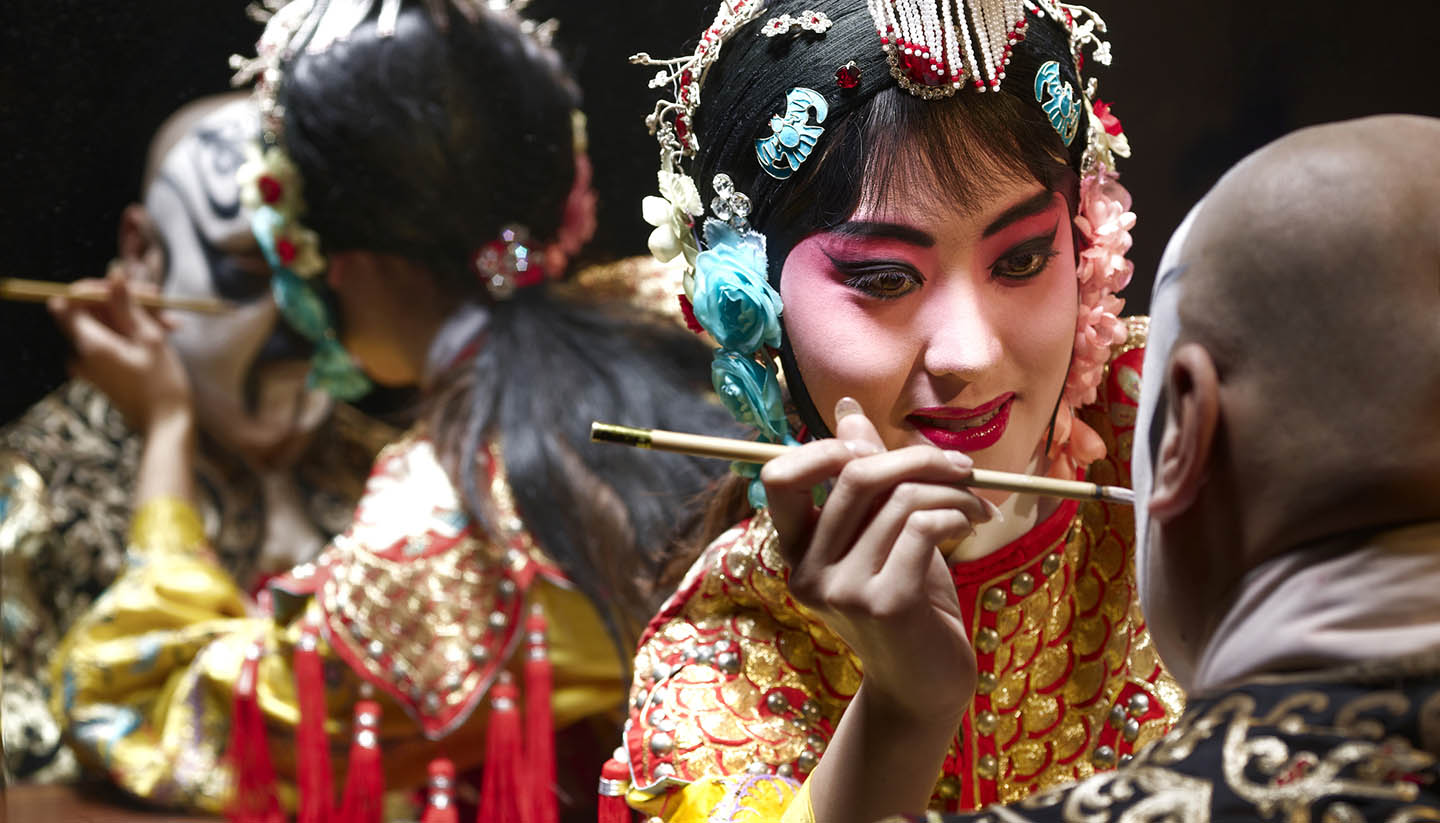
Dating back thousands of years, the historical roots of the Chinese language provide a fascinating glimpse into the evolution of communication in one of the world’s oldest civilizations. Chinese is a linguistic system that has maintained its unique characteristics over millennia, showing resilience against significant external influences.
The Chinese language is logographic https://www.yanzimandarin.com/, with each character representing a word or a meaningful part of a word, differing from alphabetic languages like English. This intricate system has its origins in ancient logograms carved onto oracle bones and bronze vessels during the Shang Dynasty (c. 1600-1046 BC). Over time, these characters evolved, becoming more stylized and complex, reflecting the rich cultural and historical tapestry of China.
The Chinese language’s historical development underscores the importance of tradition and continuity in Chinese culture, where the written word is not only a means of communication but also a reflection of the values and beliefs that have shaped Chinese society for centuries.
Evolution of Chinese Characters
The evolution of Chinese characters showcases a remarkable transformation in visual symbolism and linguistic representation over centuries of cultural development. Chinese characters, also known as Hanzi, have a rich history dating back thousands of years. Initially pictograms, these characters evolved into more abstract symbols, combining form and meaning. The development of Chinese characters can be categorized into several stages, including oracle bone script, seal script, clerical script, regular script, and cursive script. Each stage reflects changes in writing tools, materials, and cultural influences.
Comparatively, the evolution of Chinese characters differs from alphabetic writing systems like English. While alphabets represent sounds, Chinese characters convey meaning through their visual appearance. The complexity and stroke order of Chinese characters require a deep understanding of their structure and historical context. Despite modernization and the rise of digital communication, the preservation of Chinese characters remains integral to the cultural identity of China and its language.
Influence of Confucianism on Language
An intrinsic facet of Chinese culture, Confucianism has profoundly shaped the language, fostering a nuanced and profound relationship between linguistic expression and moral philosophy. Confucianism, with its emphasis on hierarchy, respect, and propriety, has influenced the way Chinese is spoken and written.
The language reflects Confucian values through its use of honorifics, formalities, and expressions of respect. For instance, the use of specific terms of address based on social status or familial relationships mirrors Confucian ideals of respect for elders and authority figures. Furthermore, the importance of harmony and balance in Confucian thought is echoed in the linguistic structures that emphasize symmetry and coherence.
Additionally, the emphasis on education and self-cultivation in Confucianism is evident in the richness of Chinese vocabulary related to learning, ethics, and personal development. In essence, Confucianism has left an indelible mark on the Chinese language, shaping not just words and grammar, but also the underlying values and beliefs embedded in linguistic expression.
Impact of Dynastic Rule on Language
Through centuries of dynastic rule in China, the evolution of language has been intricately intertwined with the shifting political landscapes and cultural dynamics of each era. The impact of different dynasties on the Chinese language is profound. For instance, the Qin Dynasty standardized the writing system to promote unity, while the Tang Dynasty’s cosmopolitanism enriched the language with new vocabulary from various regions. The Ming Dynasty further solidified the use of Classical Chinese, emphasizing literary expression and scholarly pursuits. Each dynasty left a unique imprint on the language, influencing its structure, vocabulary, and even pronunciation.
Moreover, dynastic rule often brought about changes in the official language used for administration, affecting the linguistic landscape of China. The prevalence of Classical Chinese as the written language of governance for centuries highlights the enduring legacy of dynastic influence on language. These linguistic transformations reflect the power dynamics and cultural values of each era, showcasing how language can serve as a mirror to the complexities of Chinese history under dynastic rule.
Cultural Significance of Tone in Mandarin
The cultural significance of tone in Mandarin is a fundamental aspect that shapes communication in the language.
The tonal influence in Mandarin goes beyond just pronunciation; it carries nuances that can completely alter the meaning of a word or phrase.
Understanding the intricate relationship between tones and their meanings is crucial for effective Mandarin communication.
Tone in Mandarin Communication
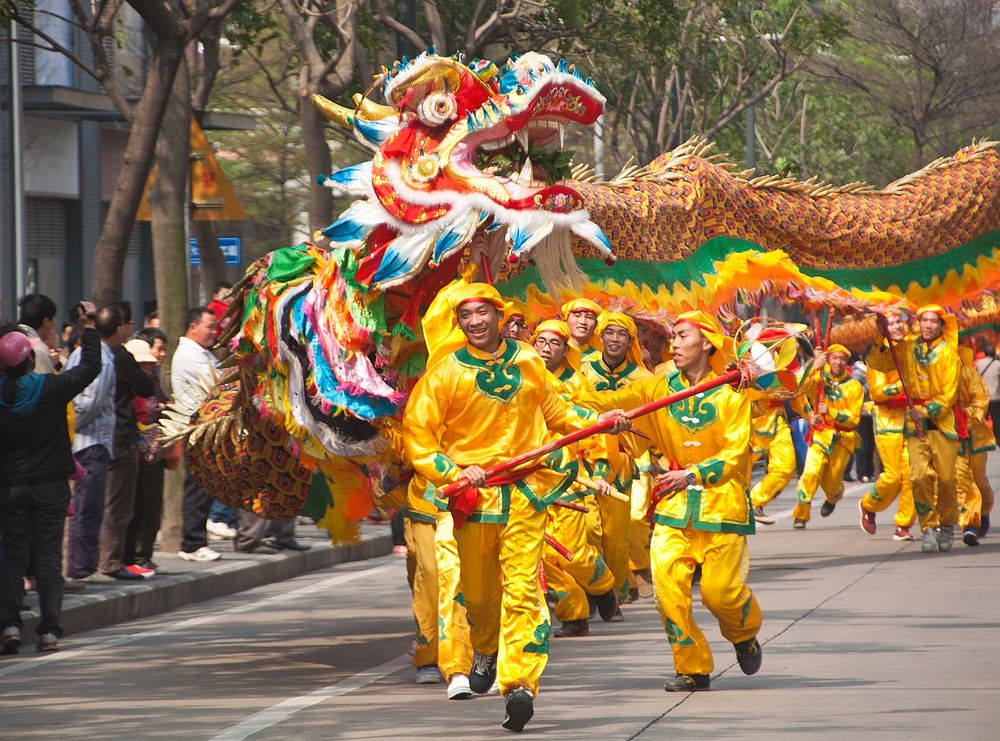
In Mandarin communication, the cultural significance of tone plays a pivotal role in conveying nuances of meaning and fostering effective interchanges. Mandarin, being a tonal language, utilizes four main tones (flat, rising, falling-rising, falling) and a neutral tone to differentiate between words that would otherwise sound the same phonetically.
The tone of a word can completely alter its meaning, highlighting the importance of accurate pronunciation in Mandarin communication. For example, the word ‘ma’ can mean ‘mother,’ ‘hemp,’ ‘horse,’ or ‘scold’ depending on the tone used.
Understanding and mastering tones in Mandarin is crucial for effective communication, as mispronunciation can lead to misunderstandings or unintended messages, showcasing the intricate relationship between tone and meaning in the Chinese language.
Tonal Influence in Language
Mandarin’s tonal system serves as a fundamental pillar of Chinese linguistic tradition, intricately intertwined with cultural nuances and meanings. The four tones in Mandarin – flat, rising, falling-rising, and falling – significantly impact communication. Each tone conveys different meanings, leading to potential misunderstandings if not pronounced correctly.
The tonal nature of Mandarin adds layers of complexity to the language, requiring speakers to be precise in their pronunciation. Moreover, tones can reflect emotions and attitudes, influencing the overall tone of a conversation. Understanding and mastering tones in Mandarin is crucial not only for effective communication but also for showing respect for the Chinese culture.
The tonal influence in Mandarin highlights the interconnectedness between language, culture, and communication styles in Chinese society.
Regional Dialects and Cultural Diversity
Evolving over centuries, the diverse regional dialects of the Chinese language reflect the rich cultural tapestry woven throughout the various provinces and communities of China. Each dialect carries its own unique characteristics, influenced by historical, geographical, and social factors. For instance, the Cantonese dialect spoken in Guangdong province is known for its distinctive tones and pronunciation, reflecting the region’s vibrant trade history and proximity to the sea. In contrast, the Mandarin dialect, considered the official language of China, is prevalent in the northern regions and is characterized by its standard pronunciation and grammar.
These regional dialects not only showcase the linguistic diversity within China but also highlight the deep-rooted cultural differences and traditions present across the country. The variations in vocabulary, grammar, and tonality among dialects serve as a testament to the complex history and heritage of each region. Despite the prevalence of Mandarin as the national language, the preservation of regional dialects underscores the importance of cultural identity and heritage in Chinese society.
Modernization and Globalization Effects
The modernization and globalization effects on Chinese culture have been profound, particularly in the realm of technology’s impact on societal norms and values. As trade and influence continue to expand globally, the Chinese language has been adapting to accommodate these shifts, leading to new linguistic trends and expressions.
These cultural exchange trends signify a dynamic evolution in language use, reflecting the interconnectedness of Chinese culture with the rest of the world.
Tech Impact on Culture
How has the rapid advancement of technology reshaped and interconnected Chinese culture with the rest of the world?
The tech impact on Chinese culture has been profound, leading to a blend of tradition and modernity. Chinese society has embraced innovative technologies, influencing various aspects of daily life, from social interactions to economic activities.
The rise of social media platforms like WeChat and Weibo has revolutionized communication, enabling global connections and the dissemination of Chinese culture worldwide.
E-commerce giants such as Alibaba have transformed the way people shop, bridging domestic and international markets. Moreover, technological advancements in areas like artificial intelligence and e-learning have redefined education and skill development in China, fostering a culture of continuous learning and adaptation to the digital age.
Trade and Influence
In the realm of modernization and globalization, the intricate web of trade and influence has woven a tapestry of interconnectedness between Chinese culture and the global community. China’s economic rise has positioned it as a key player in international trade, shaping global markets and impacting cultural exchanges.
The Silk Road, an ancient trade route, symbolizes China’s historical role in facilitating cultural exchange through commerce. Today, China’s Belt and Road Initiative aims to further connect nations through infrastructure and trade, showcasing its enduring influence.
Moreover, Chinese goods, from electronics to textiles, are ubiquitous worldwide, embedding elements of Chinese culture in everyday life across the globe. This integration of Chinese products and ideas underscores the profound impact of trade on shaping cultural identities in the modern age.
Cultural Exchange Trends
Cultural exchange trends in the context of modernization and globalization reveal a dynamic interplay between traditional Chinese values and contemporary global influences. As China continues to modernize and engage in global interactions, its cultural landscape evolves. Traditional values such as respect for authority, harmony, and collectivism are juxtaposed with Western ideals of individualism, innovation, and consumerism.
This clash of values is evident in various aspects of Chinese society, including language, art, and social norms. The influx of foreign media, technology, and ideologies has led to a hybridization of culture, where elements from both East and West coexist and interact. This cultural exchange not only shapes the Chinese identity but also contributes to the diversity and richness of global cultural heritage.
Conclusion
In conclusion, the intricate relationship between Chinese culture and language is evident in the historical roots of Chinese characters, the influence of Confucian values, and the impact of dynastic rule on linguistic development.
The cultural significance of tones in Mandarin and the diversity of regional dialects further showcase the profound influence of Chinese culture on language.
As China continues to modernize and globalize, its language reflects a dynamic fusion of tradition and innovation.
…